How to Hire a Private Investigator

Hiring a private investigator starts with a clear question, a lawful plan, and realistic expectations. The right professional should explain what can be investigated, what cannot be promised, how information will be gathered, and what you will receive at the end. Use this guide to compare investigators before you authorize work or pay a retainer.
Start With the Decision You Need to Make
Define the factual question you need answered and the decision the information will support. A focused objective helps an investigator recommend a proportionate scope instead of an open-ended search. Bring the dates, locations, names, documents, and prior efforts that are directly relevant to the assignment.
Verify the Agency and Investigator
Confirm that the agency and investigator hold the licenses required for the work and location involved. In Florida, the Department of Agriculture and Consumer Services licenses and regulates private investigative agencies and investigators under Chapter 493. Verify credentials through the official state license search and ask who will actually perform the work.
Match Experience to the Assignment
Experience should match the type of evidence, setting, and deliverable your matter requires. Surveillance, background research, locate work, social-media research, and litigation support call for different methods and judgment. Ask for relevant experience without requesting confidential details about another client.
Define Lawful Methods and Limits

A professional investigator should explain the lawful methods that may be appropriate and the limits that apply. Be cautious if someone suggests impersonation, unauthorized access to accounts or records, trespassing, or any other shortcut that could compromise the assignment. Legitimate investigations are planned around privacy, access, and jurisdictional rules.
Ask What the Deliverable Will Contain
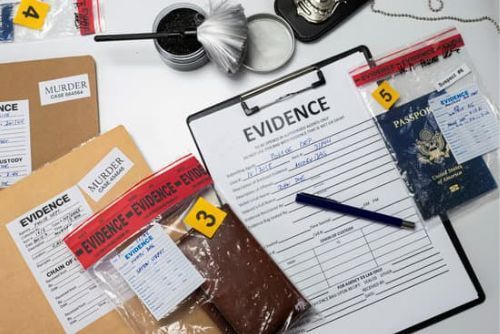
Clarify what you will receive: a written report, photographs, video, source documentation, a timeline, database findings, or a verbal briefing. Ask how observations will be recorded and how supporting material will be preserved. If an attorney is involved, confirm the reporting format and communication path before work begins.
Compare Written Scope and Fees

Request a written scope describing the objective, planned work, billing structure, estimated starting budget, and expenses that may require approval. The lowest estimate is not automatically the best value if the scope or deliverable is unclear. For more detail about common billing structures and cost drivers, see our guide to private investigator costs.
Set Communication and Approval Points
Agree on who may authorize additional time or expenses and when the investigator will provide updates. Good communication does not mean constant interruption during fieldwork; it means a clear schedule, a point of contact, and prompt notice when facts require the plan to change. Put material scope changes in writing.
Protect Confidentiality and Sensitive Data
Ask how case information, credentials, reports, photographs, and video will be stored and shared. Provide only the information needed for the assignment and use a secure method for sensitive documents. If counsel is directing the investigation, discuss confidentiality and work-product procedures with the attorney.
Look for Professional, Fact-Based Conduct
The consultation should be specific, calm, and evidence-focused. A qualified investigator distinguishes verified facts from assumptions, identifies missing information, and explains uncertainty. Professional judgment is more valuable than dramatic claims or a promise to confirm what a client already believes.
Red Flags Before You Hire

Avoid anyone who guarantees a particular result, refuses to identify the licensed agency, will not explain fees, recommends unlawful access, or pressures you to approve an undefined assignment. Other warning signs include vague reporting, poor documentation, and claims of unrestricted access to confidential databases or records.
Questions to Ask During the Consultation
Ask who will handle the work, whether the agency is licensed for the assignment, what experience is relevant, which methods may be used, what limitations are foreseeable, how fees and expenses are approved, how often you will receive updates, and what the final report or evidence package will include.
Should I Receive a Written Investigation Plan?
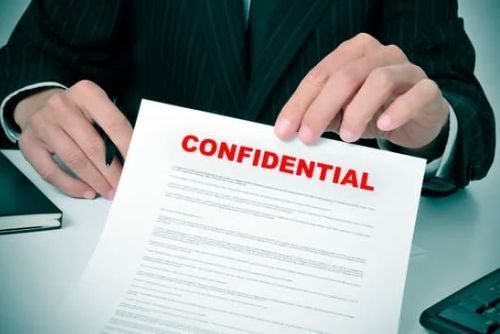
You should receive enough written detail to understand the objective, initial scope, billing terms, communication plan, and expected deliverable. The plan may change as facts develop, but material changes should be discussed and authorized before additional work proceeds.
How Do I Verify a Florida Private Investigator License?
Use the Florida Department of Agriculture and Consumer Services online license search and confirm both the agency and the individual, when applicable. Match the names and license status to the proposal or agreement rather than relying only on a badge, business card, or website statement.
Can a Private Investigator Guarantee Results?

No responsible investigator can guarantee that surveillance will observe a particular event, that a person will be located, or that research will produce a preferred answer. An investigator can explain the plan, document the work performed, communicate material developments, and provide the evidence lawfully obtained.
What Should I Bring to the First Consultation?
Bring a concise timeline, correct spellings, known addresses, recent photographs when relevant, court or case information, and documents that support the factual question. Separate verified facts from suspicions. Do not obtain or share account credentials, private records, or other material you are not authorized to access.
How Are Private Investigators Usually Billed?
Billing may be hourly, task-based, or structured around an initial retainer, with separate charges for travel, records, specialized resources, or other approved expenses. Ask what is included, whether unused funds are handled under the agreement, and which changes require your approval.
What If the Work Crosses State Lines?
Licensing and permissible methods can vary by jurisdiction. Tell the investigator all known locations at the outset so the agency can determine whether it may perform the work directly, coordinate with a properly licensed professional, or adjust the scope.
What Happens When the Scope Changes?
New facts may make the original plan unnecessary, impractical, or incomplete. The investigator should explain the development, recommend the next proportionate step, and obtain authorization before materially expanding time or expenses. A change in scope should remain tied to the original factual objective.
How Should I Compare Two Proposals?
Compare the objective, included work, staffing, billing assumptions, expenses, communication plan, and deliverable—not just the headline estimate. A proposal with clear limits and approval points can provide better control than a lower but undefined estimate.
Should My Attorney Work With the Investigator?
If the matter involves active or expected litigation, ask your attorney whether the investigation should be directed through counsel. The attorney can help define the legal objective, identify evidence needs, and establish the appropriate communication and reporting process.
Choose a Documented, Lawful Plan
Alibi Investigations helps clients define the factual question, select a proportionate investigative approach, and understand the likely deliverable before work begins. Review our private investigator cost guide, or contact us for a confidential consultation about the scope of your matter.